"On average, we achieve heating energy savings of more than 20 percent, reducing both costs and CO₂ emissions for our customers at the same time"


Christopher von Gumppenberg, the residential property sector faces the challenge of consistently leveraging efficiency potential in existing buildings and making them future-proof. What role does KUGU play between "simply heating less" and costly energy-efficient modernisation?
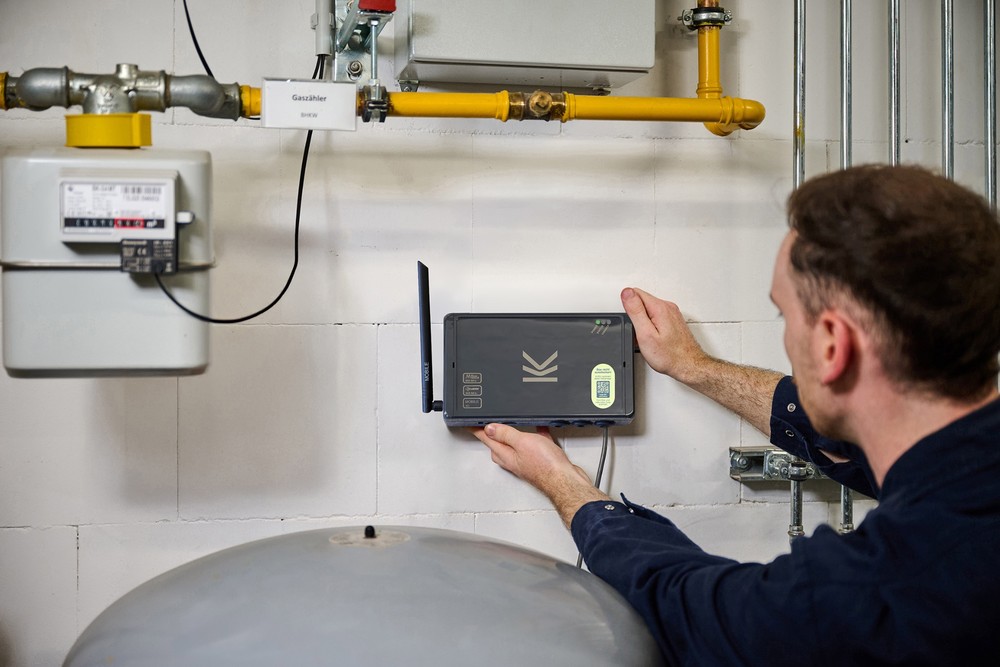
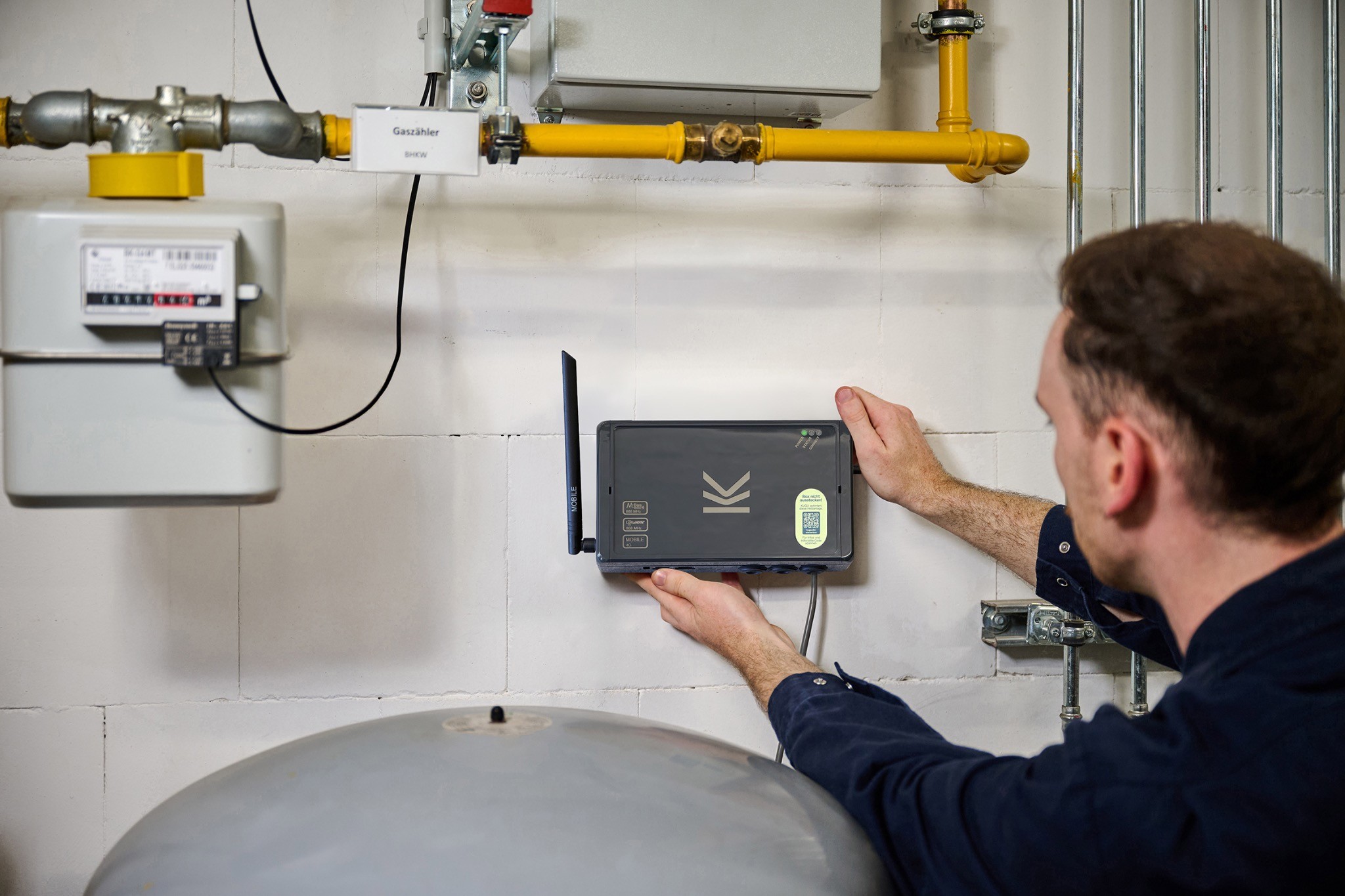
Christopher von Gumppenberg: We optimize heating systems digitally and continuously, without extensive structural work. The foundation is an individual digital building twin that models the building's thermal behaviour. Appealing to user behaviour is unreliable and is often perceived as a loss of comfort, while conventional energy-efficient refurbishment is extremely capital- and time-intensive. That is why KUGU takes a practical, low-investment approach: this solution is part of the KUGU energy platform, which brings together all processes related to energy optimization. At its core is the Energy Optimization System (EOS), which uses AI-powered algorithms as a control layer that intervenes directly in operation and regulates the system automatically and in line with demand.
Can you describe what data the solution collects from a heating system and which levers it uses to optimize operation?
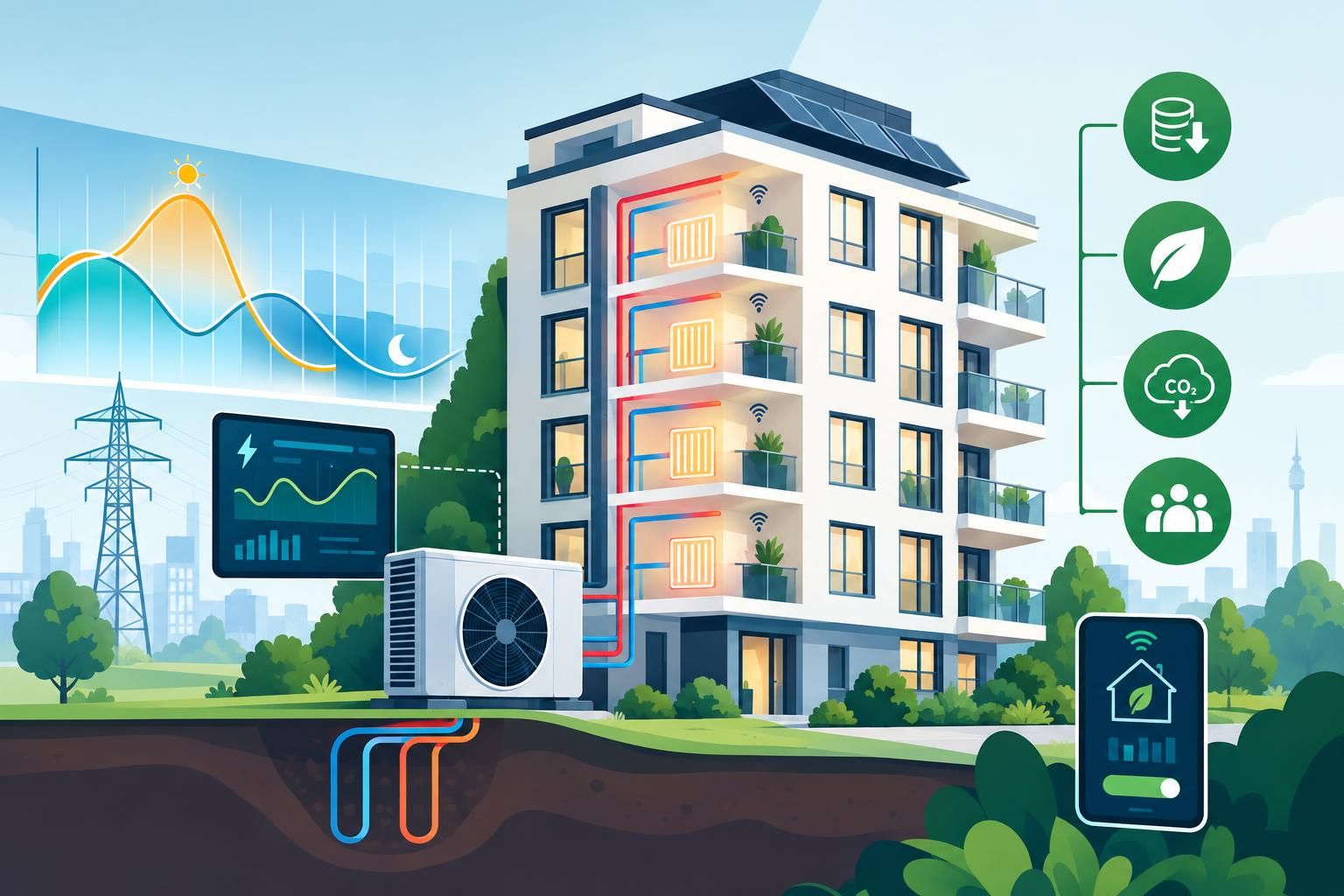
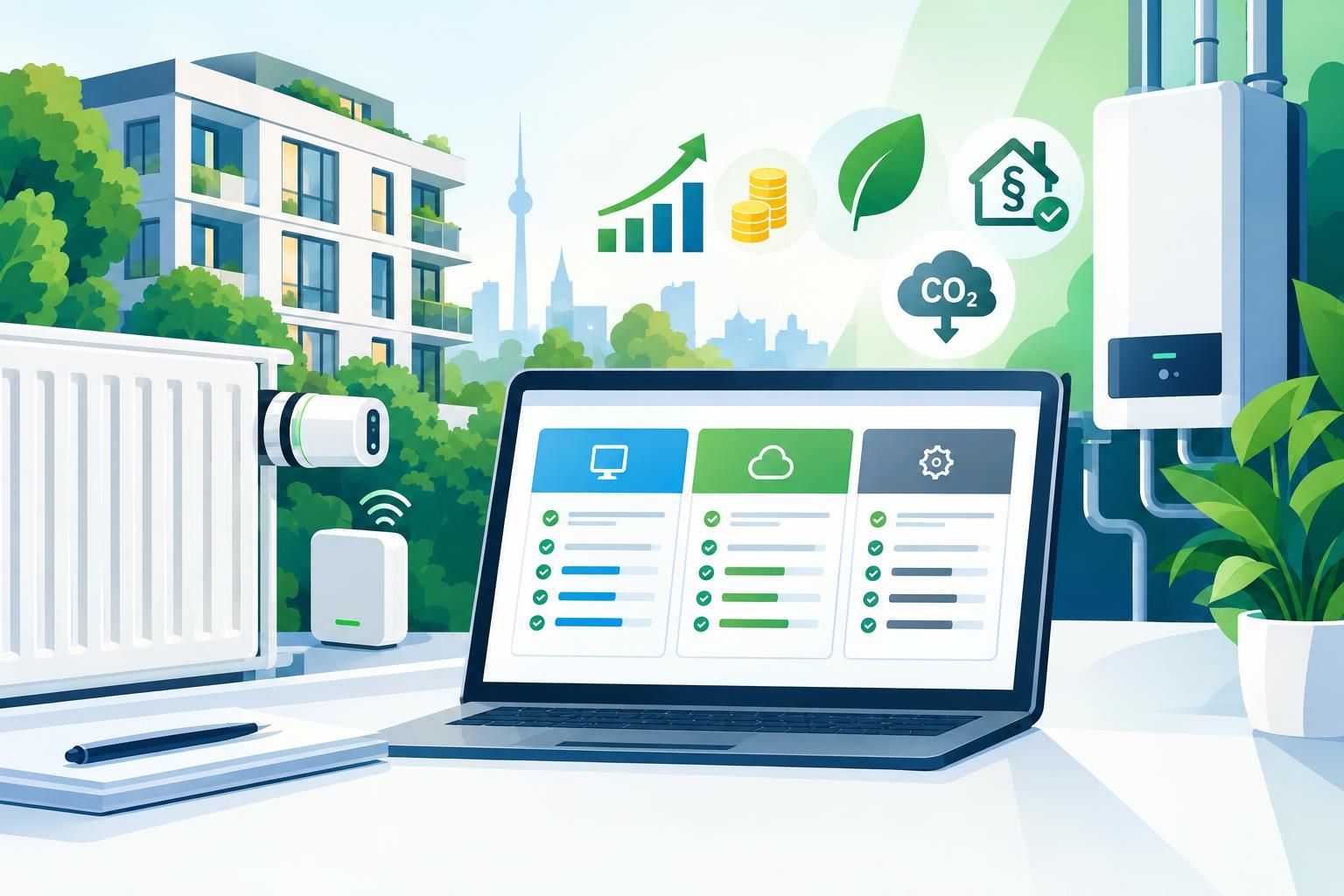
In many existing buildings, the heating runs on fixed schedules, regardless of how actual usage or the weather change over the course of the day. This leads to avoidable energy losses and costs. EOS dynamically adjusts the energy supply every 15 minutes, based on the digital building twin combined with operating data, usage behaviour and current weather forecasts. In addition, our Visual Information System (VIS) provides full transparency during ongoing operation: consumption and performance data are displayed in real time and logically linked to enable well-founded decisions across the entire portfolio.
What savings in energy consumption and energy costs can your customers achieve in practice?
On average, we achieve heating energy savings of more than 20 percent, reducing both costs and CO₂ emissions for our customers at the same time. We even guarantee savings of 12 percent contractually. For many portfolio holders, another decisive factor is that the solution can be scaled easily after a successful pilot phase. Thanks to our digital approach, this is straightforward. We now work with more than 90 customers from the real estate and energy sectors, in residential portfolios as well as in commercial real estate.
A key challenge in the residential property sector is the highly diverse building stock. How flexibly can the KUGU solution be deployed in a large, heterogeneous property portfolio with, for example, 10,000 residential units?
Our solution is designed precisely for this challenge and offers a high degree of compatibility, regardless of manufacturer or energy source, from gas and oil systems to district heating and heat pumps. Even older, analogue systems can be digitised using simple sensors. All data ultimately flows into our energy platform, which turns the technical patchwork into a transparent, controllable portfolio and thus enables uniform monitoring across the entire portfolio.
What role does heating system optimization play in buildings that have already undergone energy-efficient modernisation? What additional efficiency potential can still be unlocked there?
It is a common misconception that energy-efficiently refurbished buildings or modern heating systems run themselves. Even modern technology needs to be set up correctly and continuously adapted to actual demand. With heat pumps, hybrid systems and district heating in particular, intelligent operational management unlocks additional potential, for example through optimized temperatures and run times or by taking dynamic energy prices into account. Digitalisation therefore not only drives efficiency in unrefurbished buildings but also helps make the best possible use of investments in new system technology.
Read the full interview here.