Heating Transition in Existing Buildings: Why Optimization Must Come Before Refurbishment


The residential property sector is under pressure: energy costs remain a socially sensitive issue, climate targets are drawing closer, and refurbishments can often only be implemented step by step. This raises a key question: how can consumption, CO₂ emissions and operating costs be reduced in the short term without placing an additional burden on tenants?
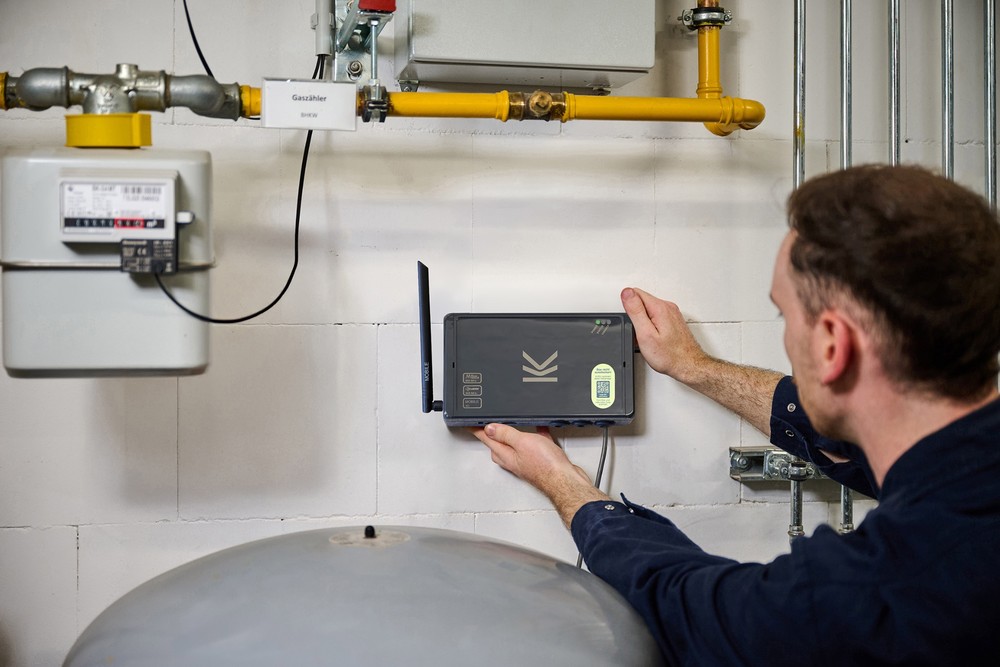
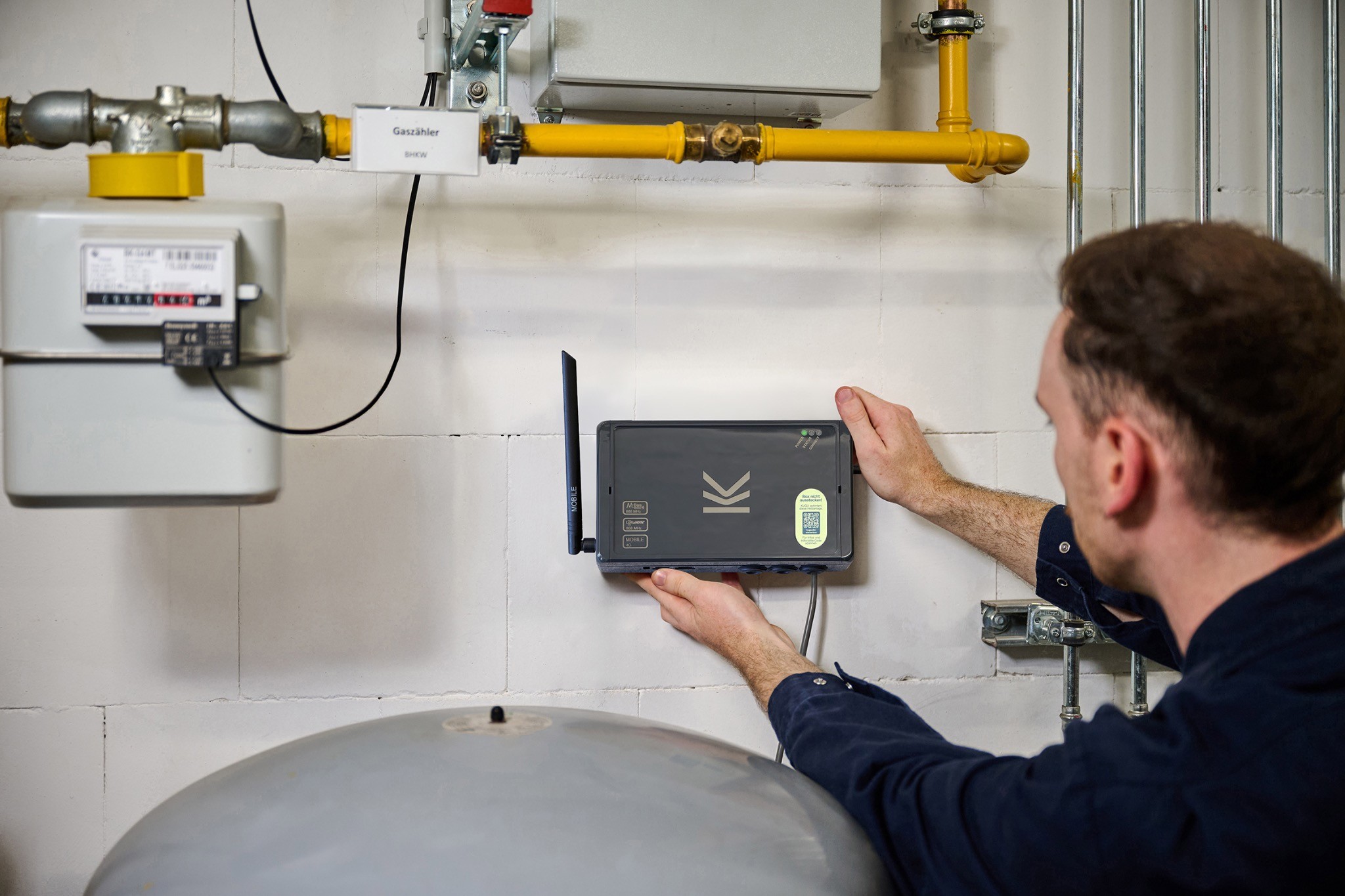
Efficiency starts in the boiler room
One important lever lies in day-to-day system operation. Many heating systems work, but they don't operate optimally. Rigid heating curves, excessive flow temperatures and inefficient continuous operation mean that savings potential goes untapped. This is everyday reality in existing buildings.
Optimization must not sound like sacrifice
What matters here is the difference between genuine optimisation and simply turning the heating down. Buildings don't operate on averages but in everyday reality: with morning demand peaks, fluctuating outdoor temperatures, thermal inertia and varying usage profiles. If residents have to change their behaviour, follow rules or accept restrictions, that is not a scalable approach for the industry. Effective optimisation has to work in the background: heat when it is needed, savings when they are possible.
Transparency instead of flying blind
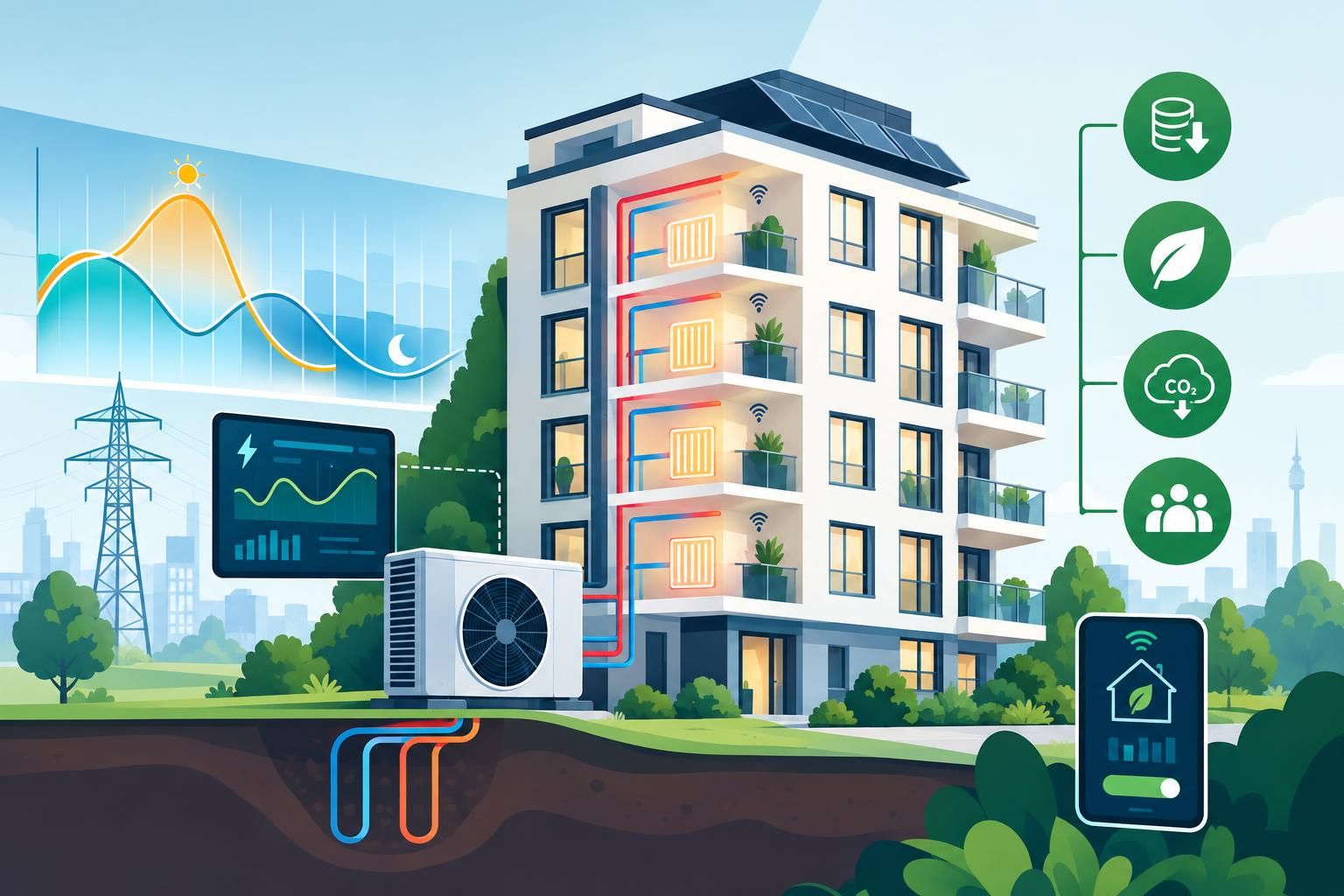
Berlin-based KUGU Home GmbH has developed an approach built on an AI-based digital twin of the building. Sensor data, weather data, consumption profiles and building physics are combined in a continuous analysis. On this basis, heating operation can not only be monitored but also continuously optimised in line with actual demand.
The digital boiler room becomes a control centre
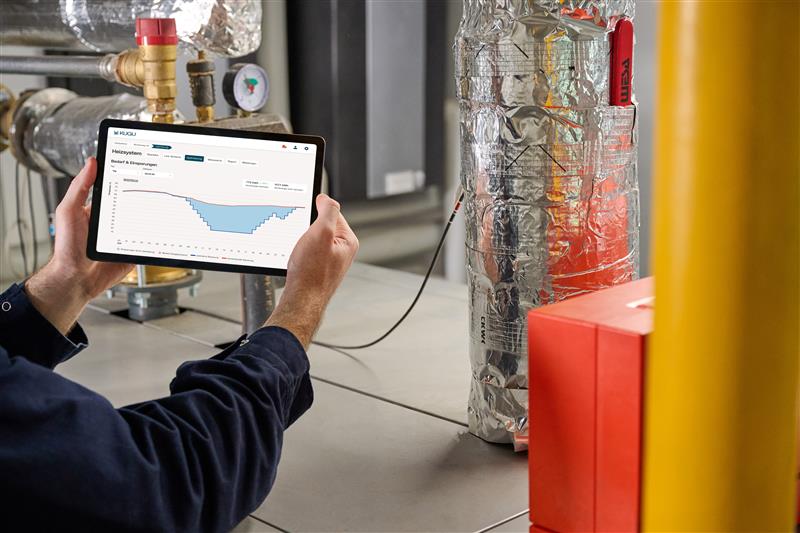
KUGU VIS (Visual Information System) is a digital monitoring solution that makes operating data, performance values and faults visible. A new feature is an extended system diagnosis. After commissioning, it assesses key criteria such as hardware condition, operating mode, hydraulics and efficiency, and derives specific recommendations for action.
Sector coupling becomes practical
With a view to new heating systems, sector coupling is also becoming more important. KUGU EOS (Energy Optimization System) controls existing heating systems automatically and in line with demand. Energy savings of 12 per cent are guaranteed, and in practice average savings exceed 20 per cent. For buildings with heat pumps, the new "Dynamic Electricity Pricing" mode can factor forecast market electricity prices into the optimization. The boiler room is thus increasingly becoming an intelligently controlled hub connecting the building, heat generation and the electricity market. Existing infrastructure immediately operates more efficiently, and future investments are based on reliable data. The heating transition in existing buildings begins with transparency, intelligent control and sound operational management.
Read the article in VSWG Verbandsmitteilung 02/2026.